Cellular Repair Fundamentals
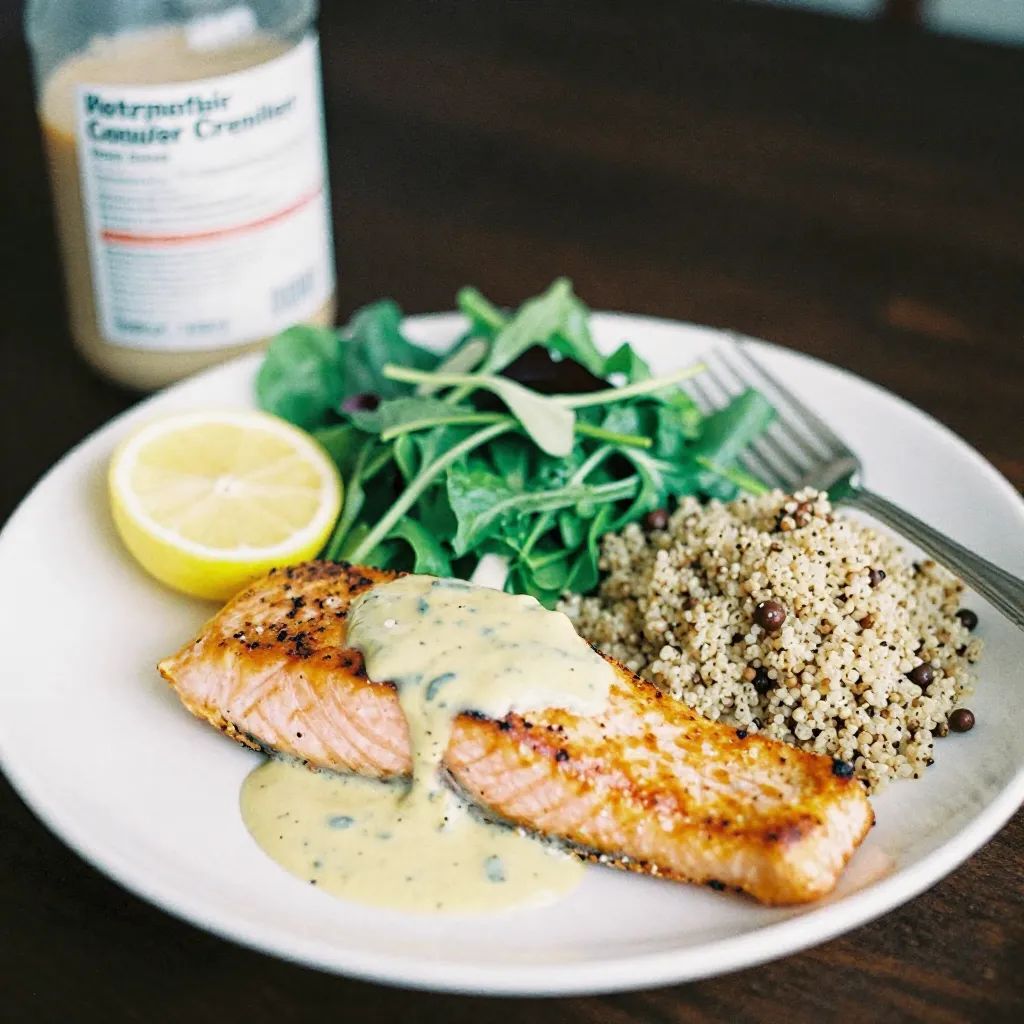
Macronutrient Balance
Understanding the role of proteins, carbohydrates, and fats in supporting muscle tissue repair and glycogen restoration after exercise.

Timing Considerations
Exploring optimal windows for nutrient intake to maximize recovery efficiency and support cellular processes.
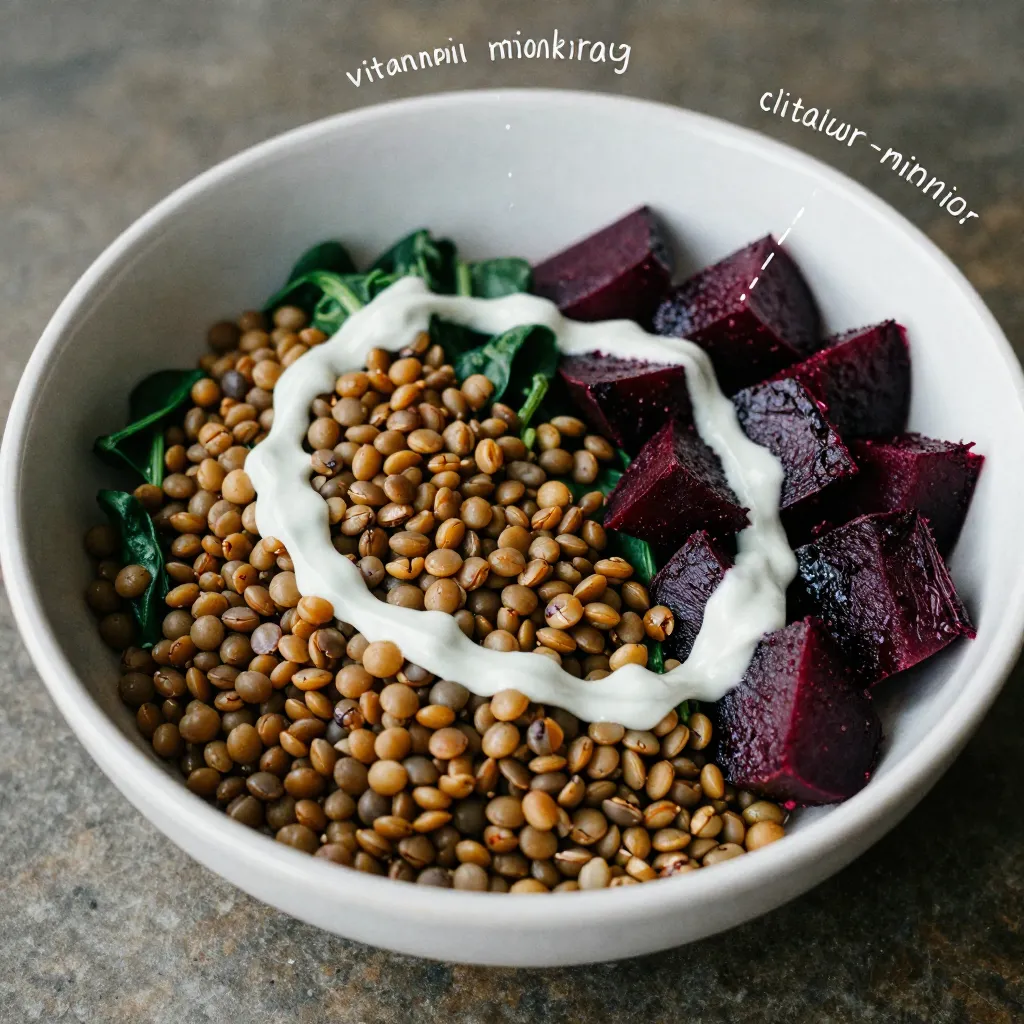
Nutrient Density
Selecting foods that provide essential vitamins, minerals, and amino acids necessary for tissue regeneration.
Metabolic Window Optimization

Post-Exercise Physiology
Learn about the physiological processes that occur during the post-exercise period and how strategic nutrition can support these mechanisms.

Timing Strategies
Understanding optimal nutrient timing to maximize recovery efficiency and support cellular repair processes.
Amino Acid Profiles
Essential Amino Acids
These building blocks cannot be synthesized by the body and must be obtained through dietary sources to support protein synthesis.
Branch-Chain Amino Acids
Leucine, isoleucine, and valine play specific roles in muscle protein synthesis and energy production during recovery.
Complete Protein Sources
Foods containing all essential amino acids in adequate proportions support efficient cellular repair processes.
Anti-Inflammatory Components

Omega-3 Fatty Acids
These polyunsaturated fats may support the body's natural inflammatory response following intense physical activity.

Phytochemicals
Plant-based compounds found in fruits and vegetables that contribute to overall nutritional quality of recovery meals.
Hydration and Electrolyte Balance
Proper fluid and electrolyte replacement is essential for optimal recovery. Post-workout meals can contribute to rehydration while providing essential nutrients.
Sodium Replenishment
Sodium lost through sweat needs to be replaced to maintain fluid balance and support cellular function.
Potassium Sources
Foods rich in potassium support muscle function and help maintain proper electrolyte balance during recovery.
Practical Application
Integrating these nutritional principles into your post-workout routine requires understanding your individual needs, activity level, and recovery goals. Consider consulting with a qualified nutrition professional to develop a personalized approach.